
My 5th Grader Hates Reading. How Do I Help?

Quick & Easy Less Than 10 Min Assessment To Find Where Your Child May Be Falling Behind
Fill out the form and we’ll send you a free assessment to help you identify your child’s strengths and possible areas for growth.
When a 5th grader hates reading, there is usually a reason underneath it: reading feels hard, the books feel like homework, or your child simply hasn’t found a book that grabs them yet. Find the reason first, then fix that one thing with easier wins, real choice in what they read, and calm daily routines instead of pressure.
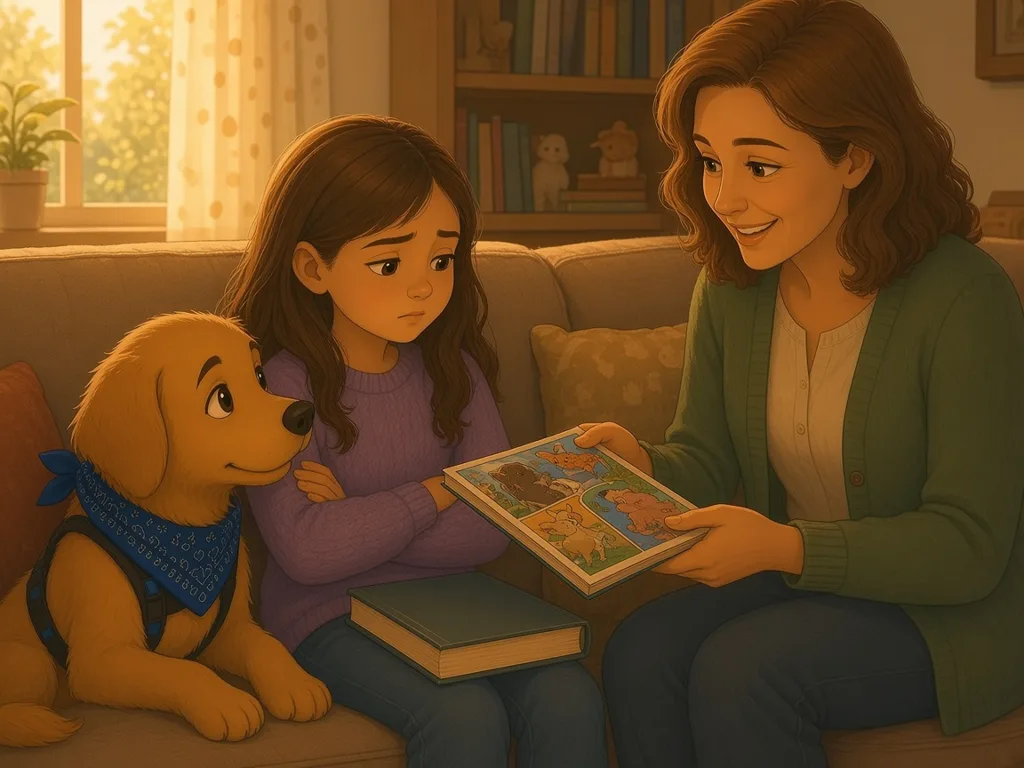
Fifth grade is a big reading year. Textbooks get denser, chapter books get longer, and kids are expected to read on their own for science, social studies, and book reports. It is also the age when children start comparing themselves with friends. So when your 10- or 11-year-old groans, hides the book, or says “reading is boring,” it can feel like a door is closing. It isn’t. Most children who say they hate reading at this age can learn to tolerate it, and many grow to enjoy it, once the real problem is addressed.
Why Does My 5th Grader Hate Reading?
“I hate reading” is a feeling, not a diagnosis. These are the most common reasons behind it:
- Reading is still hard work. If your child stumbles on longer words or reads slowly, a chapter can feel exhausting. Kids avoid what makes them feel bad at something.
- They can read the words but lose the meaning. Some fifth graders decode well but struggle to follow a plot, keep characters straight, or remember what they read. That makes books feel pointless.
- The books don’t fit. Assigned books may be too hard, too long, or about topics your child doesn’t care about.
- Reading has become a chore. Reading logs, minute counts, and quizzes can turn a story into a task to finish.
- Screens are easier. Videos and games give fast rewards. A book asks for more effort before it pays off.
- Confidence has taken a hit. A child who has been corrected a lot, or placed in a lower reading group, may protect themselves by saying they don’t care.
- Something else is going on. Trouble with attention, vision, hearing, or a learning difference such as dyslexia can make reading uncomfortable. Only a qualified professional can check for these.
Is It a Skill Problem or a Motivation Problem?
This is the most important question, because the fix is different. A quick way to tell is to listen. Choose a page from a book written for about a fourth or fifth grade reader and ask your child to read it aloud, then talk about it.
- Do longer words fall apart? If words like “investigate” or “uncomfortable” cause guessing or long pauses, your child may need help breaking words into syllables.
- Is the reading slow and choppy? If every word is right but it sounds labored, fluency practice will make reading less tiring.
- Can they retell it? Ask, “What just happened?” and “Why do you think the character did that?” If they can’t say, comprehension and vocabulary need attention.
- Does it all go smoothly? If your child reads well and understands, but still hates it, you are mostly dealing with motivation and book choice, which is very fixable.
A free reading assessment can give you a more complete, skill-by-skill picture. Our guide on how to test your child’s reading level at home explains how.
How Do I Help My 5th Grader Who Hates Reading?
Let your child choose what to read
Choice is one of the strongest tools you have. Graphic novels, joke books, sports biographies, animal facts, how-to guides, magazines, and books based on games or shows all count as reading. Take your child to the library and let them leave with an armful of things they picked, even if some seem too easy. Easy reading builds speed and confidence.
Start short and end on a win
If your child dreads reading, don’t start with 30 minutes. Start with 10 calm minutes and stop while it’s still going well. A short, successful session makes the next one easier to start.
Keep reading aloud together
Fifth graders are not too old to be read to. Reading a gripping book aloud, or taking turns page by page, lets your child enjoy stories above their own reading level and builds vocabulary without the struggle.
Pair audiobooks with the print book
Listening while following along in the printed book can help a child who reads slowly keep up with a story and hear what fluent reading sounds like.
Turn reading into conversation, not a quiz
Instead of “What was the main idea?” try “Would you want to be friends with that character?” or “What do you think happens next?” Talking about books the way adults do makes reading feel like something real, not a test.
Practice the hard skill directly
If listening showed a skill gap, work on that skill for a few minutes a day: breaking long words into chunks, rereading a short passage two or three times for smoothness, or stopping after each page to say what happened. Short, focused practice on the right skill does more than pushing through long books.
Model it yourself
Let your child see you reading for fun, whether it’s a novel, a cookbook, or the news. A family reading time where everyone reads something they like sends a clear message: this is what our family does.

What’s Included in the 12-Week Program?
Everything you need to build stronger reading skills, confidence, and a lifelong love of learning.
- Step-by-Step Reading Lessons Structured lessons matched to the reading skills your child needs to strengthen.
- Your Child’s Personalized Learning Path The assessment identifies where to begin, so your child works on the right skills — not simply material based on age or grade.
- Practice Activities & Progress Checks Fun, engaging activities reinforce each skill, with regular checks to see what’s improving and what still needs practice.
- Parent Teaching Guides Simple, step-by-step instructions show you exactly how to help — without needing teaching experience.
- Learn With Rocky or Learn Together Children who are ready can work more independently with Rocky, while parents who want to participate can follow Nancy’s guided approach.
- 12-Week Progress Reassessment & Report At the end of the program, your child completes a fresh assessment showing strengths, observed progress, remaining needs, and the recommended next learning step.
- Parent Support Included Join Motivation Mondays, Help Wednesdays, Friday Q&A with Nancy Barker. You don’t have to do this alone! You Have a WHOLE TEAM!
Quick & Easy Less Than 10 Min Assessment To Find Where Your Child May Be Falling Behind
Fill out the form and we’ll send you a free assessment to help you identify your child’s strengths and possible areas for growth.
What Should I Avoid?
- Using reading as a punishment, such as “No video games until you read for an hour.”
- Banning “easy” books or graphic novels. They are reading, and they often lead to more reading.
- Comparing your child with a sibling or a classmate who loves to read.
- Turning every book into a lesson with questions after each chapter.
How Do I Protect My Child’s Confidence?
A child who says “I hate reading” sometimes means “I feel bad at reading.” Confidence and skill grow together, so how you talk about reading matters.
- Praise effort and strategy: “You broke that long word into parts. That’s what strong readers do.”
- Normalize the struggle: tell your child that lots of people find reading hard at first, and that it gets easier with practice.
- Notice progress out loud: “Last month that chapter took you forever. Today it went much faster.”
When Should I Talk to the Teacher?
Reach out if your child’s reluctance comes with falling grades, trouble finishing classwork, or a skill gap you noticed when listening. Helpful questions include:
- “How is my child reading compared with grade-level expectations?”
- “Which reading skills is my child working on right now?”
- “Is my child getting any extra reading support, and how is progress checked?”
- “What could I do at home that matches what you’re doing in class?”
Many schools use a Response to Intervention approach, giving struggling readers extra, targeted teaching and checking their progress along the way. If your child keeps struggling despite good support, you can ask in writing for a formal evaluation.
Frequently Asked Questions
Is it normal for a 5th grader to hate reading?
It’s common for children this age to push back on reading, especially as school books get harder and screens compete for attention. It’s still worth finding out why, because sometimes the dislike is covering a skill that needs help.
Do graphic novels count as real reading?
Yes. Graphic novels use vocabulary, story structure, and inference, and they can rebuild the habit of reading for fun. Keep offering a mix of books alongside them.
Should I make my 5th grader read every day?
A short, predictable daily reading time helps, but keep it low pressure. Ten to twenty minutes of something your child chose is better than an hour of battle.
Could my child have dyslexia if they hate reading?
Not necessarily. But if your child has ongoing trouble sounding out and spelling words despite good teaching, talk with the school. Only a qualified professional can diagnose dyslexia.
Find Out Where Your 5th Grader Should Start
If your 5th grader hates reading, the fastest way forward is knowing whether the problem is a skill, a confidence issue, or the books themselves. Read Like Rocky, a 12-week program created by Dr. Nancy Barker, Ed.D., who has 49 years in education, starts with a free reading assessment that shows your child’s strengths and focus areas, so you know exactly where to begin.
Find out where your child should start
About the author: Dr. Nancy Barker, Ed.D.; 49 years in education; Pepperdine literacy professor; creator of Read Like Rocky.
Research: Barker, N. (2011). Doctoral dissertation on Response to Intervention, Pepperdine University. Pepperdine Digital Commons.
This article is educational and not a medical or clinical evaluation. If you are concerned about your child, talk with your child’s teacher or pediatrician.
Quick & Easy Less Than 10 Min Assessment To Find Where Your Child May Be Falling Behind
Fill out the form and we’ll send you a free assessment to help you identify your child’s strengths and possible areas for growth.