
What Sight Word Games Actually Help Kids Remember Words?

Quick & Easy Less Than 10 Min Assessment To Find Where Your Child May Be Falling Behind
Fill out the form and we’ll send you a free assessment to help you identify your child’s strengths and possible areas for growth.
The sight words games that actually help kids remember words are short, quick games where your child looks at the word, says it, and uses it again and again, not games where they just match pictures or guess. The best ones take five to ten minutes, use only a handful of words at a time, and mix in a few words your child already knows so they win often.
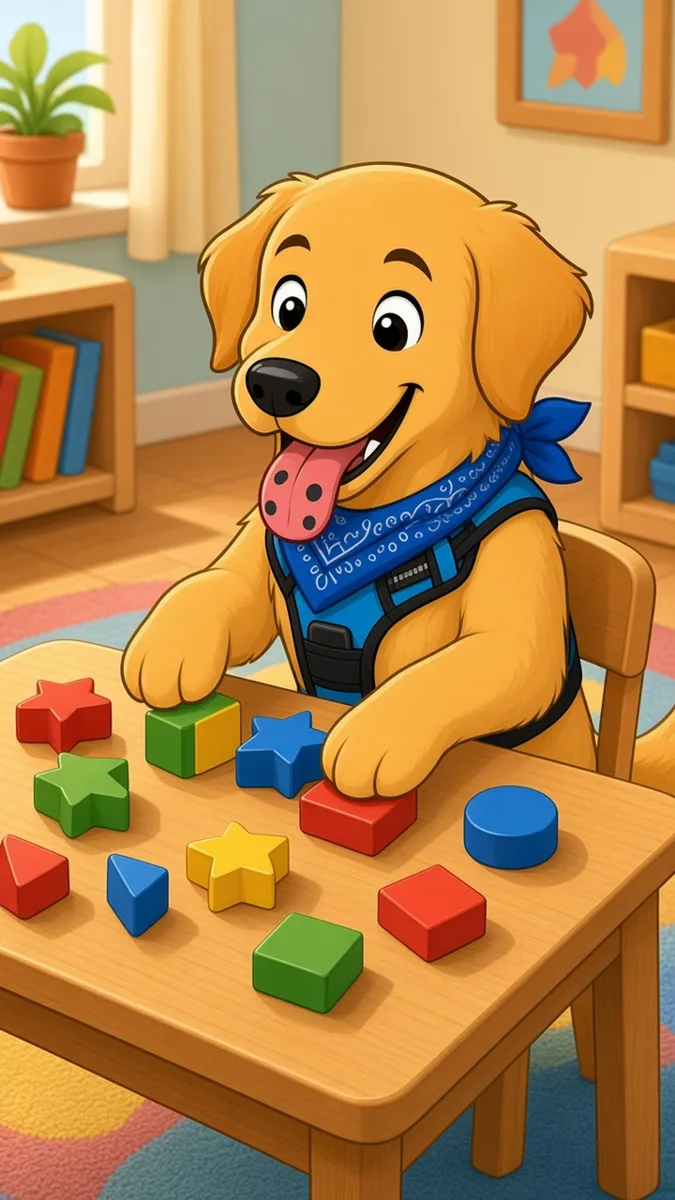
Many parents tell me their child knows a word on Monday and has forgotten it by Wednesday. Or their child can read “the” on a flash card but freezes when it shows up in a book. That is very common. A good game fixes both problems: it gives lots of practice in a short time, and it moves the word from a card into real reading.
What Makes a Sight Word Game Work
Not every game is equally helpful. Before you pick one, check for these things:
- Your child reads the word out loud every turn. If a game lets a child win without reading, it is entertainment, not practice.
- Only a few new words at a time. Three to five new words, mixed with words your child already knows, is plenty.
- Lots of quick turns. Seeing and saying a word many times in one short session builds memory faster than one long, slow game.
- Attention to the letters, not just the shape. Children remember words better when they notice the sounds and letters inside them, so say the word, point to the letters, and say it again.
- A finish in real reading. End each game by finding or reading the words in a sentence or a book.
12 Sight Word Games That Help Kids Remember Words
My doctoral work at Pepperdine University was on Response to Intervention. The idea is simple: find out what your child already knows, teach the next small step, and check progress often. These games follow that idea. Each one keeps the word list small and gives you a quick way to see which words are sticking.
1. Sight Word Slap
Lay 6 to 8 word cards face up. Call out a word, and your child slaps it and reads it back. Then switch roles and let your child call the words for you. Calling the word is great practice too.
2. Flashlight Hunt
Tape word cards around a dark room. Your child shines a flashlight, reads each word they find, and brings it back. Read all the “caught” words together at the end.
3. Go Fish With Words
Make two cards for each word. Play regular Go Fish, but your child must read the word to ask for a match: “Do you have said?” Every turn is a read.
4. Memory Match
Place matching pairs face down. When your child flips a card, they read it out loud before flipping the next one. Keep it to 6 pairs so it stays fast.
5. Build It, Write It, Read It
Your child builds the word with magnetic letters or letter tiles, writes it with a marker, and then reads it. Saying each letter while building helps your child notice what is inside the word.
6. Sight Word Hopscotch
Write words in chalk squares outside or on paper taped to the floor. Your child reads each word as they land on it. Moving bodies help many children stay focused.
7. Beat the Timer
Set a one-minute timer and see how many cards your child can read correctly. Write down the number and try to beat it tomorrow. This is a simple way to see progress, which is the heart of Response to Intervention.
8. Sight Word Bingo
Make simple bingo cards with 9 words. Read a word aloud; your child finds it, reads it back, and covers it. When they get good, let them be the caller.
9. Word Detective in a Book
Pick one or two target words. While you read a picture book together, your child is the detective who spots and reads those words every time they appear. This moves the word from a card into real text.
10. Silly Sentences
Mix sight word cards with a few picture or noun cards (dog, cake, hat). Your child builds a silly sentence like “The dog said my hat is cake” and reads it aloud. Laughter keeps them wanting another turn.
11. Rainbow Writing
Your child traces one word three times in three different colors, saying each letter, then reads the whole word. This works well for tricky words like was, said, and of.
12. Teach the Stuffed Animal
Let your child be the teacher. They hold up cards and “teach” a stuffed animal each word. Children often remember words best when they explain them to someone else.
A Simple 10-Minute Sight Word Game Routine
- Warm up (2 minutes): Read 5 words your child already knows quickly. Start with a win.
- New words (3 minutes): Introduce 2 or 3 new words. Say the word, point to each letter, say the sounds you can hear, and say the word again.
- Game (4 minutes): Play one game from the list using the new words mixed with the known words.
- Real reading (1 minute): Read a short sentence or page with the new words in it.
Keep a small pile for “words I know” and a pile for “words I’m learning.” When a word has been read quickly and correctly on three different days, move it to the “know” pile. Your child will love watching that pile grow.

What’s Included in the 12-Week Program?
Everything you need to build stronger reading skills, confidence, and a lifelong love of learning.
- Step-by-Step Reading Lessons Structured lessons matched to the reading skills your child needs to strengthen.
- Your Child’s Personalized Learning Path The assessment identifies where to begin, so your child works on the right skills — not simply material based on age or grade.
- Practice Activities & Progress Checks Fun, engaging activities reinforce each skill, with regular checks to see what’s improving and what still needs practice.
- Parent Teaching Guides Simple, step-by-step instructions show you exactly how to help — without needing teaching experience.
- Learn With Rocky or Learn Together Children who are ready can work more independently with Rocky, while parents who want to participate can follow Nancy’s guided approach.
- 12-Week Progress Reassessment & Report At the end of the program, your child completes a fresh assessment showing strengths, observed progress, remaining needs, and the recommended next learning step.
- Parent Support Included Join Motivation Mondays, Help Wednesdays, Friday Q&A with Nancy Barker. You don’t have to do this alone! You Have a WHOLE TEAM!
Quick & Easy Less Than 10 Min Assessment To Find Where Your Child May Be Falling Behind
Fill out the form and we’ll send you a free assessment to help you identify your child’s strengths and possible areas for growth.
Common Mistakes to Avoid
- Too many words at once. A stack of 50 cards can overwhelm a child and slow learning.
- Games that skip the reading. Matching colors or pictures can be fun but does not build reading memory.
- Only flash cards. If words never show up in books, children may read them on cards but not in stories.
- Turning it into a test. If your child gets upset, stop, end with an easy word, and try again tomorrow.
When to Look Closer
Some children need more practice than others, and that is normal. If your child plays these games regularly and still cannot remember even a few words, guesses wildly based on the first letter, or becomes very upset about reading, it can help to look more closely at their early reading skills, such as connecting letters and sounds. Talk with your child’s teacher about what you are seeing.
Dr. Nancy’s take: Games are a wonderful way to practice, but the word list is what matters most. Choose games where your child reads the word on every turn, keep the list small, and finish each session by reading the words in a real sentence. Small, steady wins build both memory and confidence.
Frequently Asked Questions
How many sight words should my child practice at once?
Two or three new words per session, mixed with words your child already knows, is a good starting point. Add more as the “know” pile grows.
How often should we play sight word games?
Short, frequent practice works best. Five to ten minutes on most days usually helps more than one long session a week.
Are sight word apps as good as games at home?
An app can help if your child reads each word out loud and the words also show up in books. Playing together lets you hear whether your child is truly reading the word or guessing.
What if my child guesses instead of reading?
Slow the game down. Have your child point under the word, look at the letters, and then say it. Praise careful reading more than speed.
Which sight words should we start with?
Start with the words your child sees most often in their books and schoolwork, like the, and, is, and said. Our guide to sight words for kindergarteners can help you pick.
Find Out Which Reading Skills Your Child Needs Next
Sight words are one part of learning to read. Read Like Rocky, created by Dr. Nancy Barker, Ed.D., who has 49 years in education, starts with a free reading assessment that shows your child’s strengths and focus areas, so you know exactly which skills to practice next.
Take the free reading assessment
Want more? Read how to teach and practice sight words at home and why some children forget sight words, or try our free reading and math games for kids.
About the author: Dr. Nancy Barker, Ed.D.; 49 years in education; Pepperdine literacy professor; creator of Read Like Rocky.
Research: Barker, N. (2011). Doctoral dissertation on Response to Intervention, Pepperdine University. Pepperdine Digital Commons.
This article is educational and not a medical or clinical evaluation. If you are concerned about your child, talk with your child’s teacher or pediatrician.
Quick & Easy Less Than 10 Min Assessment To Find Where Your Child May Be Falling Behind
Fill out the form and we’ll send you a free assessment to help you identify your child’s strengths and possible areas for growth.