

Quick & Easy Less Than 10 Min Assessment To Find Where Your Child May Be Falling Behind
Fill out the form and we’ll send you a free assessment to help you identify your child’s strengths and possible areas for growth.
Confidence & Motivation Helps Your Child Believe They Can Succeed. Here’s Why.
Does your child avoid reading, get frustrated easily, or say “I can’t read”? Confidence and motivation are essential for lasting reading success. When children feel capable and enjoy reading, they try harder and make faster progress.
Is This Your Child?
- Your child says, “I can’t read,” or “I’m just not good at it.”
- They avoid books, or turn reading time into a negotiation.
- A small mistake brings frustration, tears or giving up.
- They compare themselves to classmates or siblings.
A child who says they can’t read usually needs a few small wins, and a parent who’s on their side.
What Is Confidence in Reading?
Confidence is believing you can do something. Confident readers are more likely to try, push through challenges, and enjoy reading.
Why Confidence Gaps Happen
- Past struggles or negative experiences
- Comparing themselves to others
- Feeling pressure or frustration
- Not enough positive feedback
- Needs engaging, personalized practice
Signs Your Child May Have Confidence Gaps
- Says “I can’t read” or “I’m not good at it”
- Avoids reading whenever possible
- Gets frustrated easily
- Doesn’t want to try new books
- Lacks interest in reading
Confidence and Motivation: Why Reading Can Feel So Hard
Confidence is a child’s belief that they can do something. In reading, it matters a lot. Confident readers are more willing to try, to make mistakes and to keep going when a page gets tricky.
Confidence can dip when reading has felt difficult for a while. A child may have had a few frustrating experiences, noticed that others seem to read more easily, or felt pressure to perform. When trying again feels risky, avoiding reading can feel safer. Avoiding reading means less practice, which can make reading harder still.
A way forward is usually small wins. When a child experiences success at just the right level and hears honest, specific encouragement, their belief in themselves can start to grow again.
What Usually Helps
These are simple, warm things you can do today.
Praise effort and strategies
Notice what your child did: “You kept going on that long word,” instead of only “Good job.” It shows them what to repeat.
Choose books they love
Follow their interests, such as animals, space, jokes or comics. Choice is a strong motivator, and all reading counts.
Aim for easy wins
Begin with books and tasks that your child can succeed at, then raise the challenge a little at a time.
Keep reading time cozy, not graded
Skip the quizzes sometimes. Snuggle up, take turns reading and enjoy the story together.
Share your own reading
Let your child see you read, and talk about your own mistakes and fix-ups. It shows that reading takes effort for everyone.
How Our Free Assessment Can Help
Our quick and easy assessment identifies your child’s current confidence and motivation skills, shows specific areas to focus on, and recommends the best next steps for their reading journey. You’ll get a clear picture of where they are and how we can help them grow.
Watch: Why Confidence Matters
How Rocky Can Help (A Real Example)
Meet Sophia.
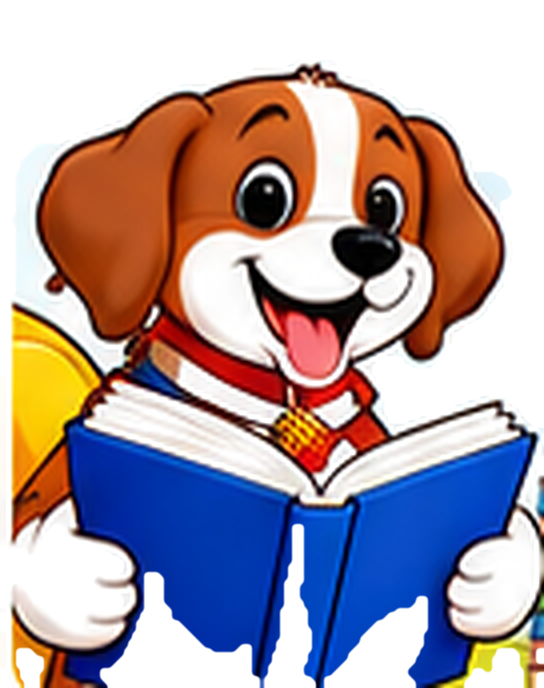
Sophia felt frustrated and didn’t believe she could be a good reader. After the assessment, Rocky found stories that match her level and interests. With small wins, fun activities, and encouragement, she began to see herself as a reader.
This is an illustrative example, not a real family’s story.
Real skills.
Real progress.
Real smiles!
How Read Like Rocky Helps Build Confidence
Read Like Rocky starts with a free assessment that shows your child’s strengths as well as what to work on next. Starting from what they can already do helps reading feel possible.
Your child then follows a 12-week plan of three lessons a week, with friendly stories starring Rocky the golden retriever and activities designed for steady, step-by-step progress. Dr. Nancy Barker’s parent guides show you how to encourage your child along the way. Reading and writing practice both give your child chances to notice their own growth where it fits.
Start the Free AssessmentA free assessment first
See where your child is today with confidence and motivation. No purchase is needed to take it.
A 12-week plan
Three lessons a week, 36 per pathway (180 core reading lessons across 5 pathways), matched to your child’s learning path rather than only their age or grade.
Guidance for you
Parent teaching guides explain each step in plain language, so you don’t need teaching experience.
Progress you can see
Practice activities and progress checks along the way, and a reassessment at week 12 that shows strengths, progress and next steps.
When to Get Extra Support
Many children go through times when reading feels discouraging. If your child’s worry about reading is strong or lasts a long time, or if it seems to affect how they feel about school or themselves, it’s a good idea to talk with your child’s teacher. If you’re concerned about your child’s feelings or wellbeing, a school counselor or another qualified professional can help.
Read Like Rocky is an educational program. It does not diagnose, treat or replace advice from a professional.

About Dr. Nancy Barker, Ed.D.
Dr. Nancy Barker is an educator who has dedicated her career to helping children become stronger, more confident readers. She created Read Like Rocky so parents can support their child’s reading and writing at home with clear, step-by-step guidance.
- Ed.D. in Educational Leadership, Pepperdine University (2011)
- M.A. in Educational Administration, California Lutheran University (1994)
- M.S. in Education (Speech & Language Disorders), University of Southern California (1982)
- B.A. in Liberal Studies, California State University, Northridge (1976)
- California Administrative Services Credential
- Resource Specialist Credential
- Specialist Credential: Learning & Severely Handicapped
- CLAD Certification
- 49 years in education
- K–12 Director of Curriculum & Instruction
- 19 years as an elementary school principal and teacher
Questions Parents Often Ask
My child says, “I hate reading.” What should I do?
Try not to push. “I hate reading” often means “reading feels hard for me.” Start with books your child is curious about, keep sessions short and cheerful, and focus on small successes.
Should I reward reading with prizes or screen time?
Every family is different. Some find that small, simple celebrations, such as picking the next book together, work better than big prizes. Whatever you choose, keep the focus on enjoying the story.
Is it okay if my child only wants to read comics?
Yes. Comics, joke books and magazines all count as reading, and they can be a great way to build interest. You can mix in other books gradually.
What if my child feels embarrassed about reading at a lower level?
Reassure them that everyone learns at their own pace, and keep practice private and encouraging. Choosing books that look age-appropriate but are readable for them can help.
Is the assessment really free?
Yes. The reading assessment is free, and no purchase is required. We ask for your name and email so we can share your child’s results and recommended next steps.
Do I need teaching experience to help?
No. The Read Like Rocky parent guides explain each step in plain language, so you can support your child at home even if you have never taught before.
Ready to Help Your Child Feel Like a Reader?
The free assessment is a calm first step. It shows your child’s strengths, what to work on next, and a recommended path. No purchase is needed.
Explore Other Reading Topics
Every child’s reading journey is different. Choose a topic below to learn more or take a free assessment.
- Click Here to Visit

Meet Dr. Nancy
Learn about Dr. Nancy’s experience, credentials, and approach.
- Click Here to Learn More
Phonics Gaps
Makes words hard to sound out.
- Click Here to Learn More
Weak Comprehension
Reads the words but struggles to understand them.
- Click Here to Learn More

Vocabulary Development
Needs help learning and using new words.
- Click Here to Learn More

Reading Fluency
Reads slowly or struggles to read smoothly.
- Click Here to Learn More

Attention & Focus
Gets easily distracted during reading.
- Click Here to Learn More

Support at Home
Not sure how to help or where to start.
- Click Here to Learn More

Extra Help & Resources
Find tips, tools, and support for your child.
Quick & Easy Less Than 10 Min Assessment To Find Where Your Child May Be Falling Behind
Fill out the form and we’ll send you a free assessment to help you identify your child’s strengths and possible areas for growth.