

Quick & Easy Less Than 10 Min Assessment To Find Where Your Child May Be Falling Behind
Fill out the form and we’ll send you a free assessment to help you identify your child’s strengths and possible areas for growth.
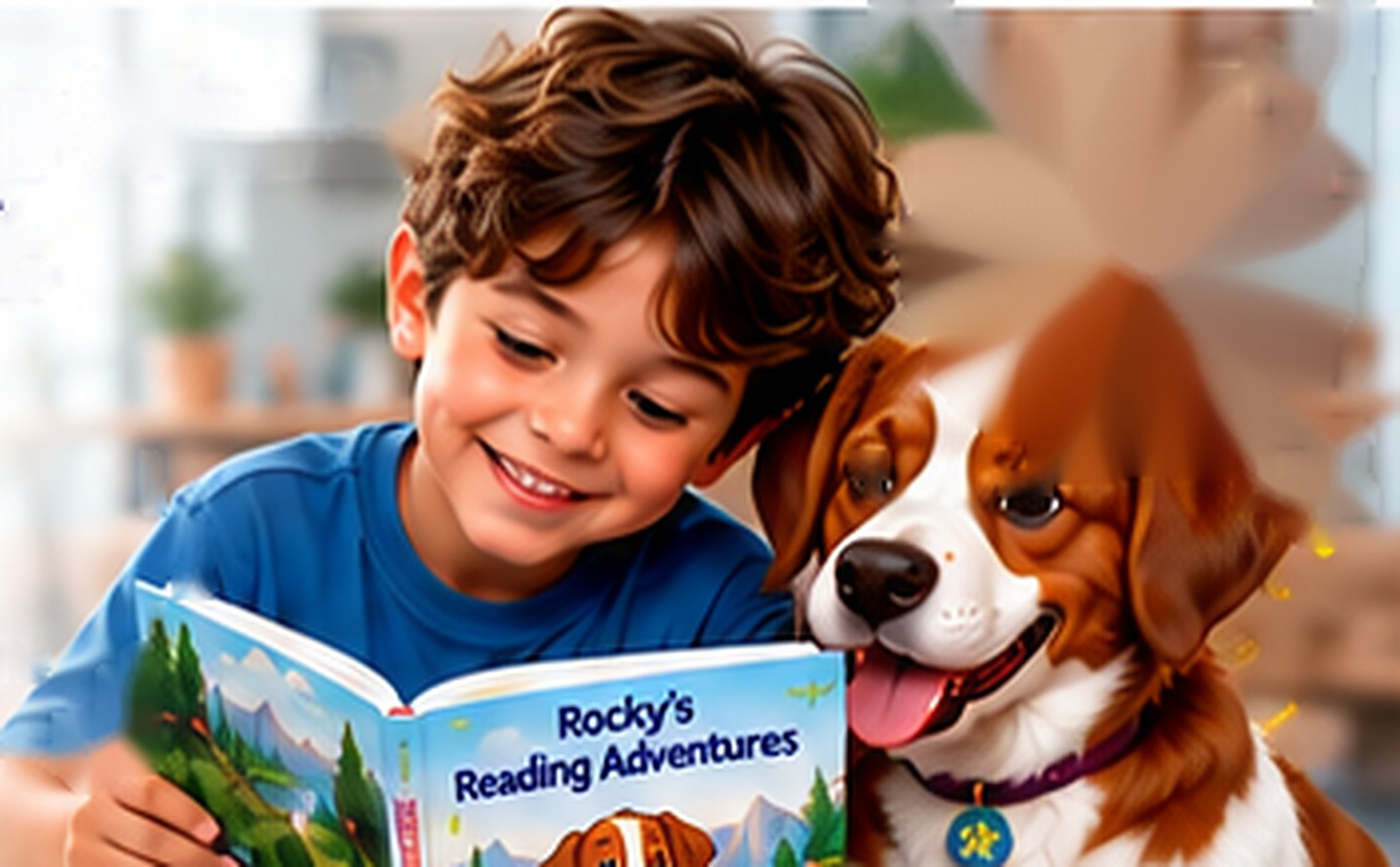
When kids learn to sound out words, they unlock a world of stories!
Phonics Gaps Make Words Hard to Sound Out. Here’s Why.
Does your child guess at unfamiliar words, mix up letter sounds, or get stuck trying to sound out words they haven’t seen before? These can be signs that some foundational phonics or decoding skills need additional practice.
Is This Your Child?
- Your child guesses at a word from the first letter or the picture instead of sounding it out.
- They mix up letter sounds, or a word they knew yesterday seems brand new today.
- They get stuck, sigh, or say “this is too hard” when it’s time to read.
- Reading out loud feels slow and tiring for both of you.
If you nodded along, you’re not alone, and it’s very fixable. Here’s what’s often going on.
What Are Phonics Skills?
Phonics helps children understand the relationship between letters and sounds. It gives them the tools to sound out words, read unfamiliar words, and build a strong foundation for reading fluency and comprehension.
Why Phonics Gaps Happen
- Missed or inconsistent instruction
- Not enough practice with letter sounds
- Difficulty blending sounds together
- Trouble remembering sound patterns
- Needs more targeted, personalized practice
Signs Your Child May Have Phonics or Decoding Gaps
 Guesses at unfamiliar words
 Mixes up letter sounds
 Gets stuck sounding out words
 Avoids reading or gets frustrated
 Reads very slowly and loses their place
What Are Phonics Gaps, and Why Do They Happen?
Phonics is the link between the sounds we say and the letters we see. When a child understands that link, they can look at a new word, match the letters to sounds, and blend those sounds together to read it. A phonics gap simply means that some sounds or letter patterns haven’t quite clicked yet.
Gaps are common, and they have many ordinary causes. A child may have moved on to harder books before a few sounds felt secure, missed a step along the way, or learned to lean on guessing because it seemed to work. Some patterns, such as vowel sounds and letter teams, simply take longer to settle.
The good news is that phonics skills can be practiced. Small, regular practice usually works better than long, stressful sessions, and the first step is knowing exactly which sounds and patterns to begin with.
What Usually Helps
Here are a few gentle things you can try at home today. You don’t need any special materials.
Keep it short and happy
Five to ten minutes of focused practice most days is easier to keep up than one long session. Stop while your child still feels successful.
Say the sound, then the word
When your child gets stuck, point to each letter or letter team, say its sound together, and then blend the sounds slowly into the word.
Check the whole word
If your child guesses from the picture or the first letter, calmly say, “Let’s check the middle and the end too.” Then look at the whole word together.
Play with sounds
Sound games like “What word starts with /m/?” or changing one letter (cat, hat, mat) turn practice into play. You can even do it in the car.
Keep reading to your child
Keep sharing stories out loud. Hearing you read keeps books enjoyable while your child’s sounding-out skills catch up.
How Our Free Assessment Can Help
Our quick and easy assessment identifies your child’s current phonics skills, shows specific areas to focus on, and recommends the best next steps for their reading journey. You’ll get a clear picture of where they are and how we can help them grow.
Watch: How Phonics Skills Help Your Child Read
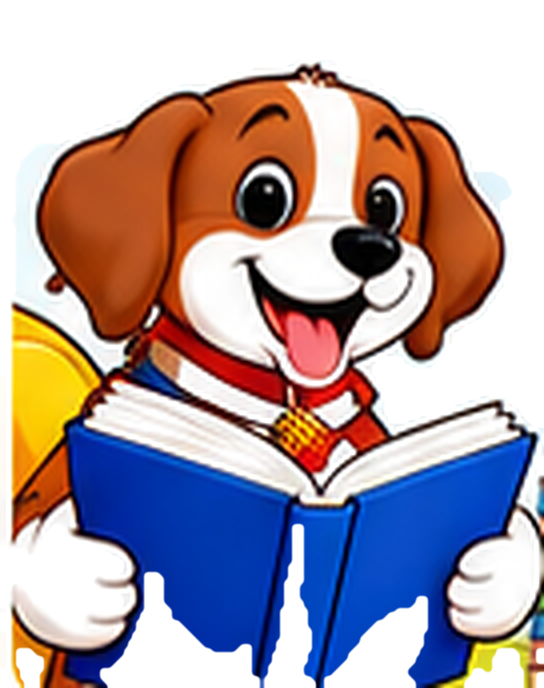
How Rocky Can Help (A Real Example)

Meet Alex.
Alex was guessing at words and getting frustrated. After the assessment, we found he needed more practice with short vowel sounds and blending. Rocky’s personalized adventures gave Alex fun, step-by-step lessons with stories, activities, and games focused on his exact skill gaps.
This is an illustrative example, not a real family’s story.
Now Alex can sound out new words and reads with more confidence!

Real skills.
Real progress.
Real smiles!
How Read Like Rocky Helps With Phonics
Read Like Rocky starts with a free assessment that looks at your child’s current phonics skills, so you can see which sounds and patterns to work on first instead of guessing.
From there, your child follows a 12-week plan of three lessons a week, with stories starring Rocky the golden retriever. Each lesson comes with a simple parent guide, so you know what to say and do, even if you have never taught reading. Reading and writing support each other, so spelling and writing practice sit alongside the sounding-out practice where it fits.
Start the Free AssessmentA free assessment first
See where your child is today with phonics skills. No purchase is needed to take it.
A 12-week plan
Three lessons a week, 36 per pathway (180 core reading lessons across 5 pathways), matched to your child’s learning path rather than only their age or grade.
Guidance for you
Parent teaching guides explain each step in plain language, so you don’t need teaching experience.
Progress you can see
Practice activities and progress checks along the way, and a reassessment at week 12 that shows strengths, progress and next steps.
When to Get Extra Support
Every child learns at their own pace, and a few tricky sounds are rarely a reason to worry. If your child has been working on reading for a while without much progress, or reading seems to upset them a great deal, it can help to talk with your child’s teacher. If you have concerns about how your child is learning, a reading specialist or another qualified professional can look more closely.
Read Like Rocky is an educational program. It does not diagnose, treat or replace advice from a professional.

About Dr. Nancy Barker, Ed.D.
Dr. Nancy Barker is an educator who has dedicated her career to helping children become stronger, more confident readers. She created Read Like Rocky so parents can support their child’s reading and writing at home with clear, step-by-step guidance.
- Ed.D. in Educational Leadership, Pepperdine University (2011)
- M.A. in Educational Administration, California Lutheran University (1994)
- M.S. in Education (Speech & Language Disorders), University of Southern California (1982)
- B.A. in Liberal Studies, California State University, Northridge (1976)
- California Administrative Services Credential
- Resource Specialist Credential
- Specialist Credential: Learning & Severely Handicapped
- CLAD Certification
- 49 years in education
- K–12 Director of Curriculum & Instruction
- 19 years as an elementary school principal and teacher
Questions Parents Often Ask
What is phonics, in plain words?
Phonics is how letters and groups of letters match the sounds in spoken words. Children use it to sound out words they haven’t seen before, and to spell words when they write.
Why does my child guess at words instead of sounding them out?
Guessing is often a shortcut a child has found that sometimes works, especially with picture books. It usually means some sounds or patterns still feel uncertain. With gentle practice that points back to the letters, most children can build the habit of looking at the whole word.
How can I tell if it’s a phonics problem or something else?
Listen as your child reads a short, simple page out loud. If the trouble is mostly turning letters into sounds, phonics may be a good place to start. Only an assessment or a qualified professional can say more, so think of our free assessment as a friendly first look, not a diagnosis.
Is it too late if my child is older?
It’s never too late to build phonics skills. Older children can feel embarrassed about it, so short, private, encouraging practice at home can help them feel at ease.
Is the assessment really free?
Yes. The reading assessment is free, and no purchase is required. We ask for your name and email so we can share your child’s results and recommended next steps.
Do I need teaching experience to help?
No. The Read Like Rocky parent guides explain each step in plain language, so you can support your child at home even if you have never taught before.
Ready to See Where Your Child Is With Phonics?
The free assessment is a calm first step. It shows your child’s strengths, what to work on next, and a recommended path. No purchase is needed.
Explore Other Reading Topics
Every child’s reading journey is different. Choose a topic below to learn more or take a free assessment.
- Click Here to Visit

Meet Dr. Nancy
Learn about Dr. Nancy’s experience, credentials, and approach.
- Click Here to Learn More
Weak Comprehension
Reads the words but struggles to understand them.
- Click Here to Learn More

Vocabulary Development
Needs help learning and using new words.
- Click Here to Learn More

Reading Fluency
Reads slowly or struggles to read smoothly.
- Click Here to Learn More

Attention & Focus
Gets easily distracted during reading.
- Click Here to Learn More

Confidence & Motivation
Lacks confidence or avoids reading.
- Click Here to Learn More

Support at Home
Not sure how to help or where to start.
- Click Here to Learn More

Extra Help & Resources
Find tips, tools, and support for your child.
Quick & Easy Less Than 10 Min Assessment To Find Where Your Child May Be Falling Behind
Fill out the form and we’ll send you a free assessment to help you identify your child’s strengths and possible areas for growth.